Indigenous Peoples

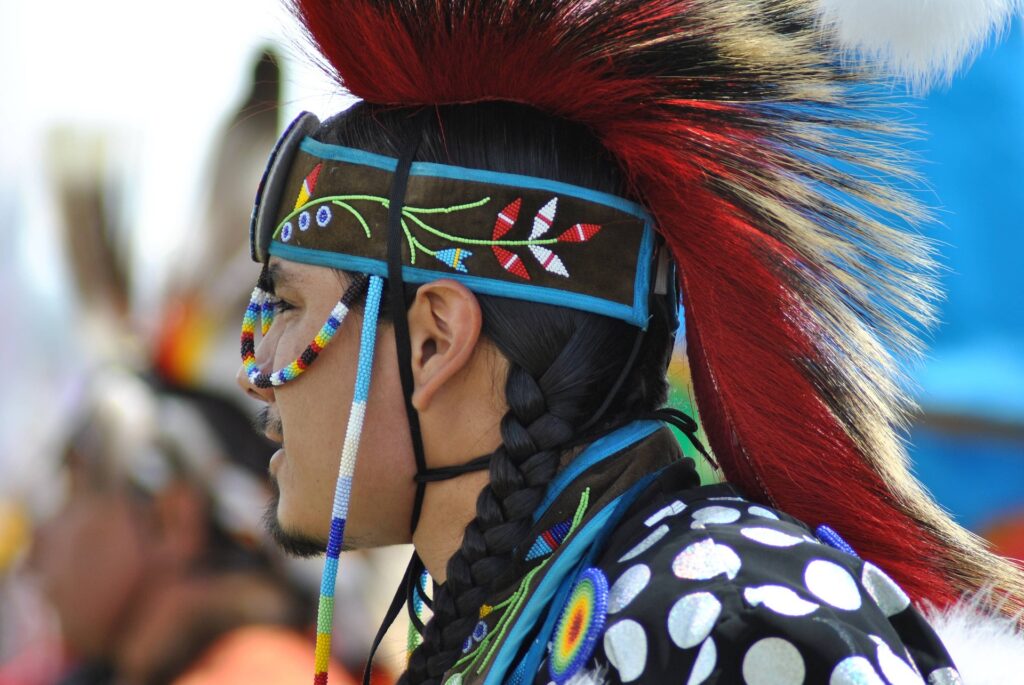
I live on the lands of the Kitchawan and Wappinger peoples, at the northern edge of the great Lenape Nation, which stretches out to my south. To my north are the lands of the Haudenosaunee Confederacy. The peoples on whose lands I live are still here, and their culture is very much alive, and it is important that I honor their presence as well as their history. -Michael Tino (CLF)

How do you honor the Indigenous peoples of the place you live, who might very well be your ancestors?

Finding A Better Life

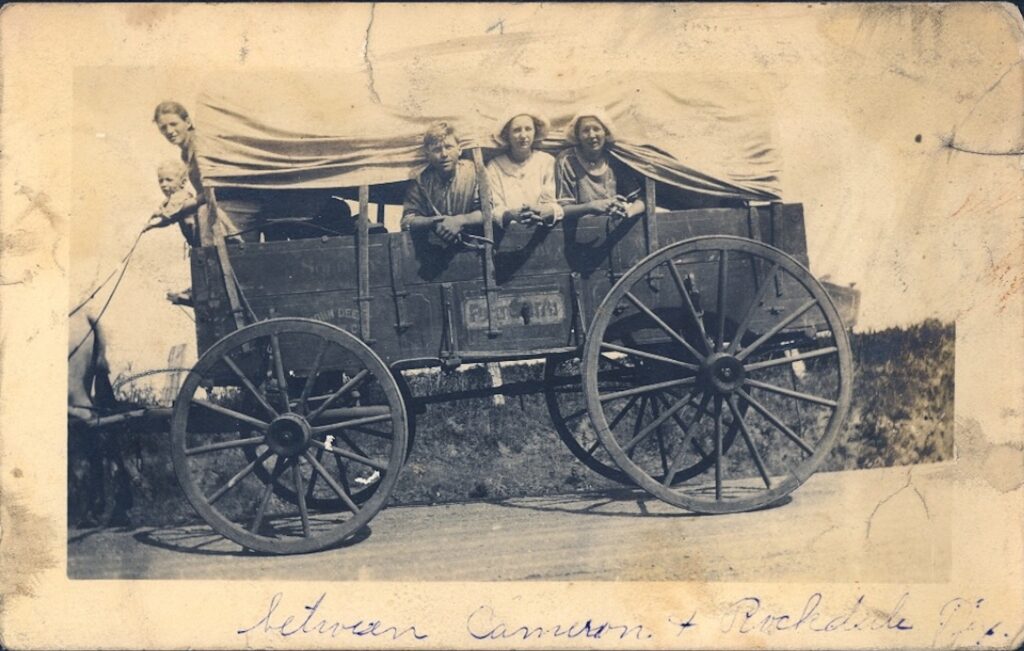
My grandmother, Bapcia if you will, came from Poland at the beginning of the 20th century along with many others escaping political strife and hunger.  Dad always said his mother was 13 when she left everyone and everything she had ever known to set out for a new better world in Chicopee MA.  She had $2 and was met by a cousin she had never met.  She lied to immigration and said she was 16 so she would be allowed into the country. This made legal trouble for her many years later when she was the married mother of seven children.  She got a job, met a nice man from near her home in Poland , they married, started a business and lived a fine life. -Judy DiCristofaro, CLF

How did your ancestors seek a better life for their families? Did they flee somewhere, fight back against enslavement or genocide, start over in a new land?

Sacrifice and Trauma

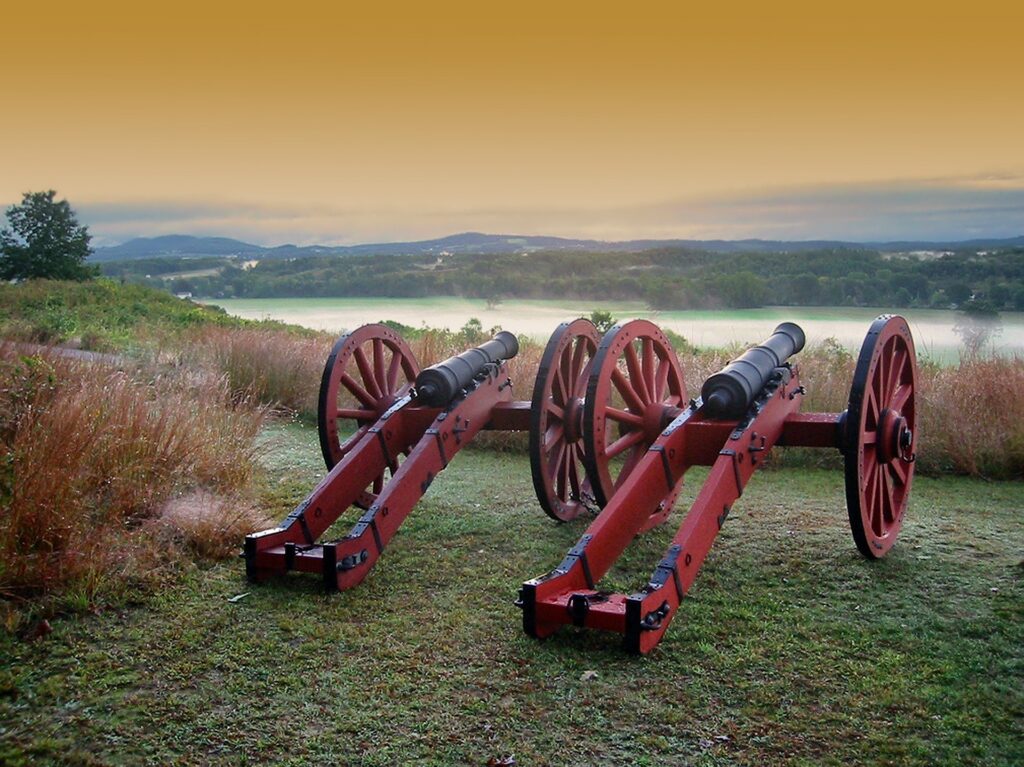
My great-great grandfather, Samuel Hanscom, fought in the Civil War, and was held as a prisoner of war in the south.  I do not have any details about Samuel’s capture, but I do know that over 400,000 people were sent to prisoner of war camps during the Civil War; and almost 13,000 people died in these camps. Sacrifice and trauma are part of my family’s history. -Beth Murray, CLF

How do you carry the sacrifice and trauma of your ancestors? How have you healed those wounds?

Reconciling Harm

For many people, thinking about ancestors is painful because our ancestors did real and lasting harm while they were alive. For some of us, that harm lives on in family systems that must be carefully dismantled. And for some of us, truth-telling about the harm our ancestors did is the beginning of a long pathway of learning to do better.

How do you engage with the harm done by ancestors?