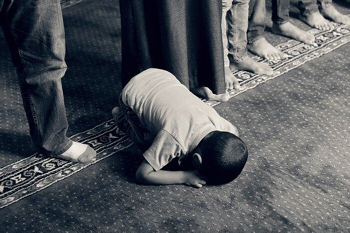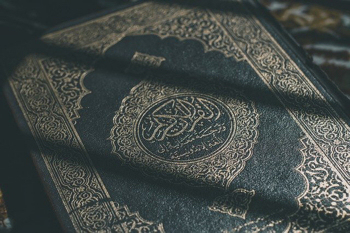
 Many religious traditions incorporate fast days–days on which one refrains from eating for a specified period, or periods during which one refrains from eating certain foods. These fast days are often meant to make the participants pay attention to the sacred in a different way than in their everyday lives. During Ramadan, Muslims fast daily from sunrise to sunset in order to foster gratitude and remind them of those who go without regularly.
How is grace expressed through your physical being today? How might you incorporate a period of fasting to remind you of your relationship with the sacred?